Japan is often cited for its low crime rates, strong sense of social order, and deep-rooted respect for others. These traits are not accidental. They are the product of centuries of history, traditional values, and religious worldviews that continue to underpin everyday life. When compared with the United Kingdom, the contrasts reveal not just cultural differences, but lessons worth reflecting on to build a stronger community.
At the heart of Japan’s society is respect—for people, places, and processes. This begins early. Children are taught to clean their own classrooms, serve school lunches, and take responsibility for shared spaces. The message is clear: the community comes before the individual, and dignity comes from contributing. This mindset carries into adult life through punctuality, politeness, and a strong sense of duty to others.

Japan’s religious and philosophical foundations—particularly Shinto and Buddhism—reinforce this outlook. Shinto emphasises harmony, purity, and respect for nature and ancestors, while Buddhism encourages mindfulness, acceptance, and self-discipline. Together, they shape a culture that values balance (wa), emotional restraint, and awareness of how one’s actions affect others. Rather than focusing on individual expression, Japanese society prioritises social harmony.
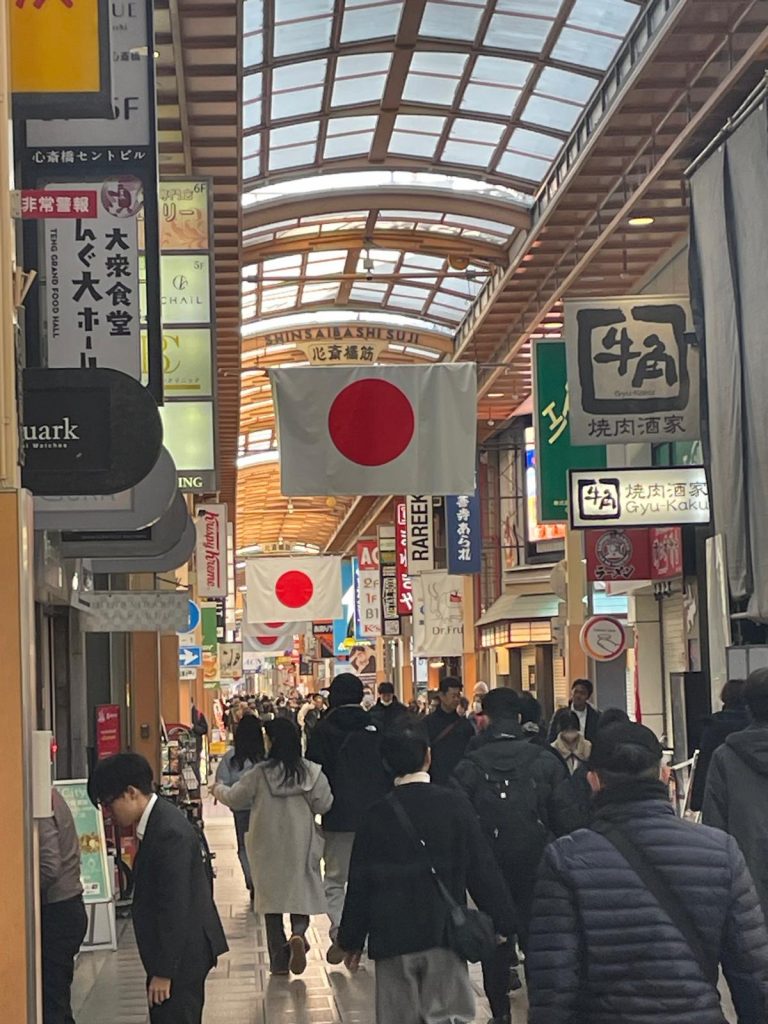
These values help explain Japan’s remarkably low crime rates. Social pressure and internalised responsibility often act as stronger deterrents than laws alone. Shame is not merely personal but communal—misconduct reflects on family, workplace, and neighbourhood. As a result, trust in public spaces is high, from unattended bicycles to lost property being returned intact.

Mental health and happiness in Japan are more complex. On the surface, order and stability promote security and social trust, both key contributors to well-being. However, the same cultural emphasis on endurance (gaman) and conformity can discourage open discussion of emotional distress. While Japan excels in community cohesion, it continues to grapple with issues like overwork and social isolation, showing that harmony does not automatically equal happiness.
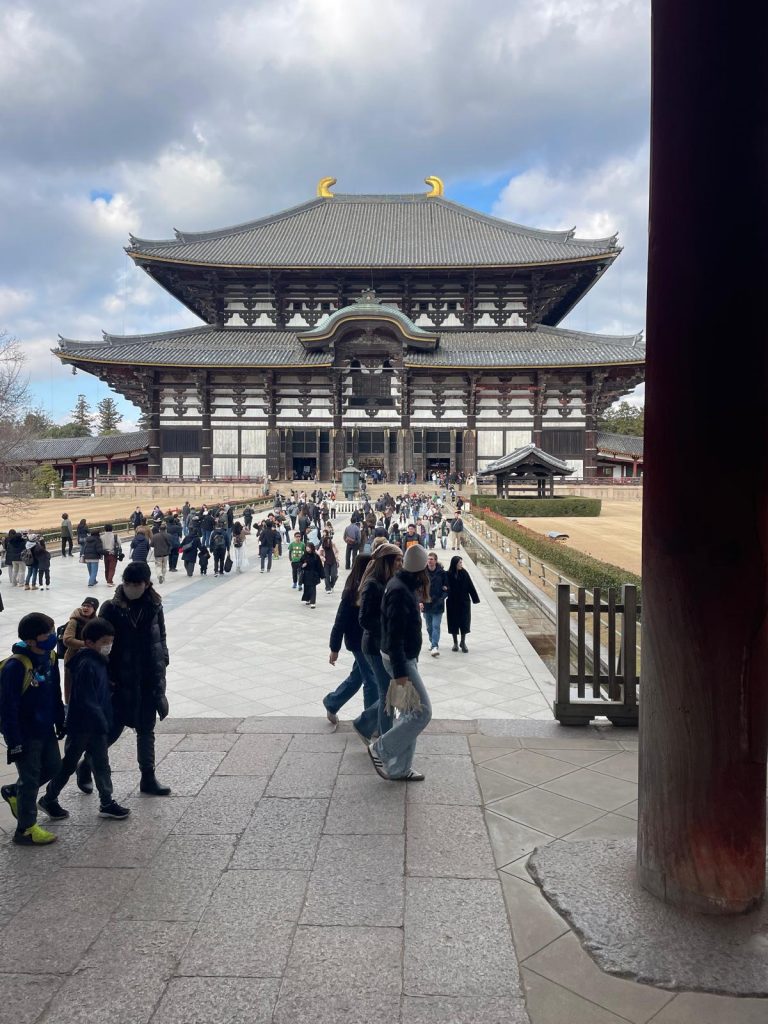
In contrast, United Kingdom society places greater emphasis on individualism. Personal freedom, self-expression, and questioning authority are widely encouraged. This has fostered creativity, innovation, and strong traditions of debate and reform. However, it can also weaken communal responsibility. Public spaces are often seen as someone else’s problem, and social trust can be lower, contributing to higher crime rates and a greater reliance on enforcement rather than shared norms.

The UK is also more secular, meaning moral frameworks are less commonly reinforced through shared rituals or beliefs. While this allows pluralism and freedom, it can leave a vacuum in terms of collective identity and belonging—factors closely linked to mental health and social cohesion.
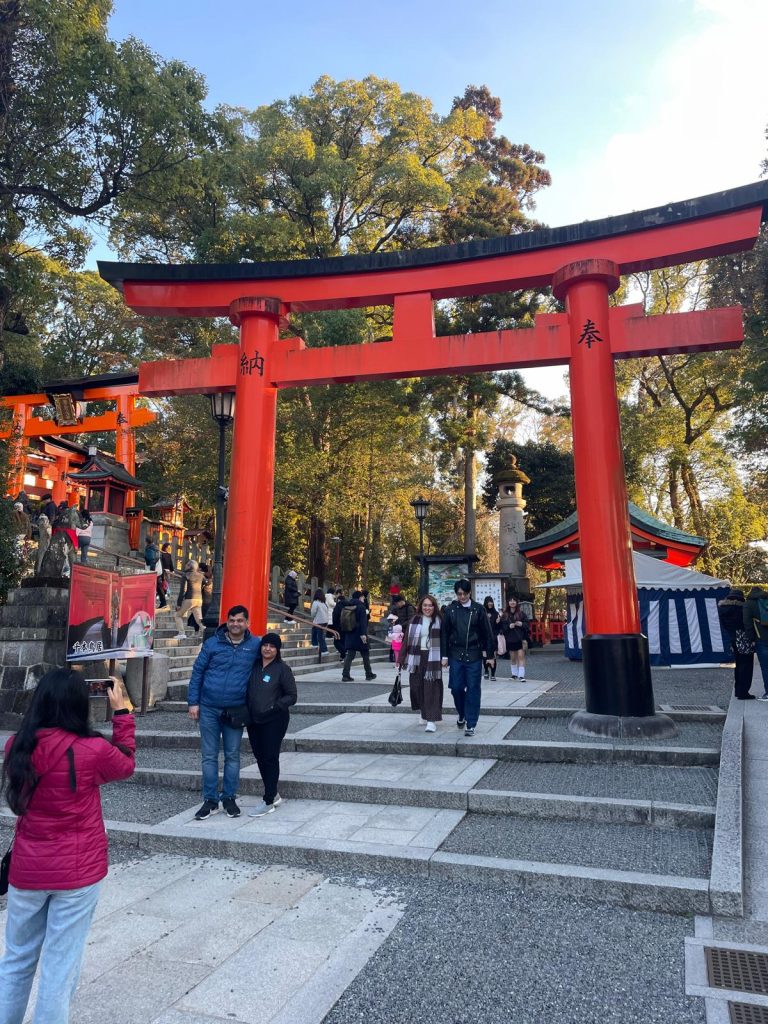
So why is Japan different? The answer lies not in a single policy or institution, but in a long-term cultural investment in community, respect, and continuity. Japan changes slowly, preserving traditions that bind generations together. The UK, shaped by industrialisation and rapid social change, has evolved toward flexibility and individual rights, sometimes at the expense of collective responsibility.
What can the UK learn? Not to copy Japan wholesale, but to rebalance. Greater emphasis on civic responsibility, respect for shared spaces, and community-based education could strengthen social trust. Teaching children that society is something you actively maintain—not just benefit from—may be one of Japan’s most valuable lessons.
Ultimately, Japan reminds us that a healthy society is not built solely on laws or economics, but on everyday values practiced quietly, consistently, and together.