If you’ve ever jumped into the sea after a sauna, you’ve already flirted with contrast therapy — the deliberate switch between hot and cold to help your body reset. Switching between hot and cold in the shower or visiting a Hotel Spa on holiday. All these things stimulate the same responses. The Greeks and Romans had Cold Plunges and Warm Water Baths in their Steam Rooms dating back centuries and Scandanavia, voted the happiest place on earth, has millions of saunas and ice/cold water dips being enjoyed.
For beginners, it can sound intimidating. Why would anyone choose to go from a steamy sauna straight into icy water? But science — and experience — suggest there’s a lot to gain from that short, shocking plunge. From personal experience I FEEL amazing after a sauna and/or cold water dip and most people say the same. The research is minimal but more is underway.
I take the view that cold water reduces inflammation, causes the body to flush the system towards the core body organs, spikes dopamine 250% ( the feel good drug), makes the cells burn energy faster, takes you out of your mind and makes you feel truly present. Heat is similar but the sweating and detox, aswell and warmth on the muscles and nerves is a slightly different and almost reverse impact as the body attempts to stay cool by flushing the blood back to the skin. This is not advice so do your own research, take things slowly and go to some classes / sessions to start with others in Company
I think you might just get hooked.
Contrast therapy alternates heat (like a sauna) with cold exposure (ice bath, cold plunge, or wild swim). The rapid temperature shifts cause your blood vessels to expand and contract, improving circulation, reducing muscle soreness, and triggering beneficial stress responses.
Clinical research backs it up:
Dr Susanna Søberg — who holds a PhD in metabolism and leads research on cold exposure and thermogenesis — explains:
“The changes in temperature are what strengthen your cells in the body. When you expose yourself to short bursts of heat and cold, you are training them to adapt.”
She calls this “hormetic stress” — the idea that short, controlled stressors make you stronger over time.
Cold water hits you like an electric shock. Your breath catches, your heart races — and then, something flips. Calm. Focus. Energy.
As Søberg says:
“You should get uncomfortable cold. That’s the point — because it’s hard, your body adapts. That’s where the benefits come from.”
Wim Hof, the Dutch “Iceman”, agrees:
“Exposure to the cold is like a reset button for the system… Start with a cold shower daily and every day, stay in under the cold water a little longer.”
Both Søberg and Hof emphasise gradual adaptation — starting easy and letting your nervous system learn how to stay calm under stress.
If you’ve ever wondered whether to finish on heat or cold, Søberg’s research has the answer:
“When you end on the cold, you force your body to heat up by itself. That keeps your brown fat activated and your muscles engaged for hours afterwards.”
Brown fat is a special type of tissue that burns energy to generate heat. Activating it regularly can improve metabolic health and energy balance.
Start small:
Søberg’s team has even quantified it:
“Two to three cold dips per week, about one to two minutes each — around 11 minutes total per week — are enough to activate measurable health benefits.”
Contrast therapy is not suitable for everyone. Avoid or seek medical advice first if you have:
Entering cold water suddenly can cause cold shock, with rapid breathing and heart-rate spikes. Always go slowly, with others nearby, and warm up safely afterward.
Below are ten wild or semi-wild sauna experiences around the UK, each with cold water or plunge-capability. I include the Google review score + link where available.


Reviews: 4.9★ (≈664 reviews) on Google. Wanderlog+1
A seaside sauna right on Brighton beach with wood-fired cabins and sea-dip access. Great starting place for beginners.
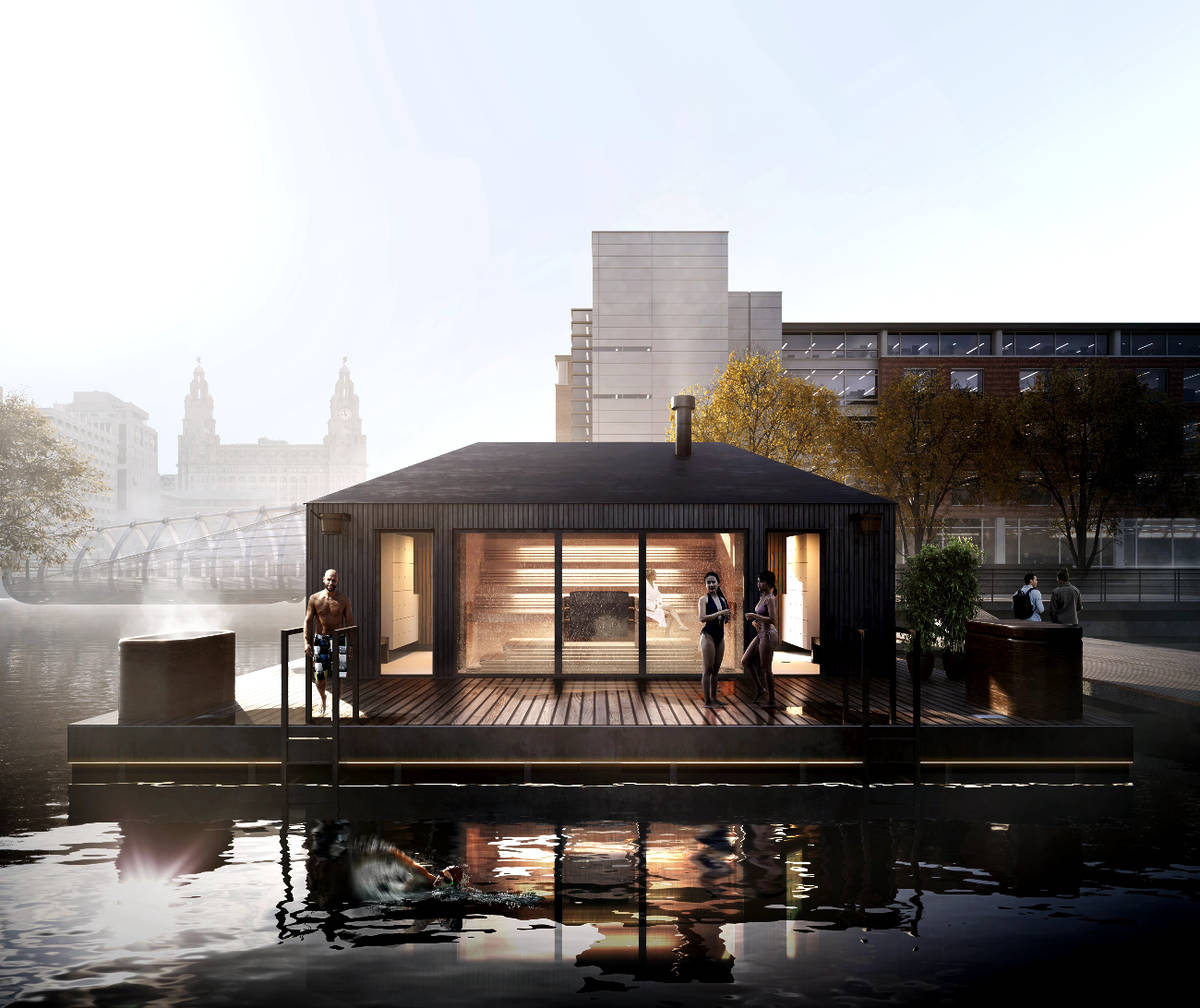

Reviews: 4.6★ (≈234 reviews) on Google. Wanderlog
A floating sauna in a dock with ice baths and direct cold-water access — more urban, less nature-wild, but fun.

6
Reviews: 4.9★ (≈138 reviews) on Google.
A true wild-sauna by the sea, with panoramic views, wood-fired heat and cold-water plunge ready.


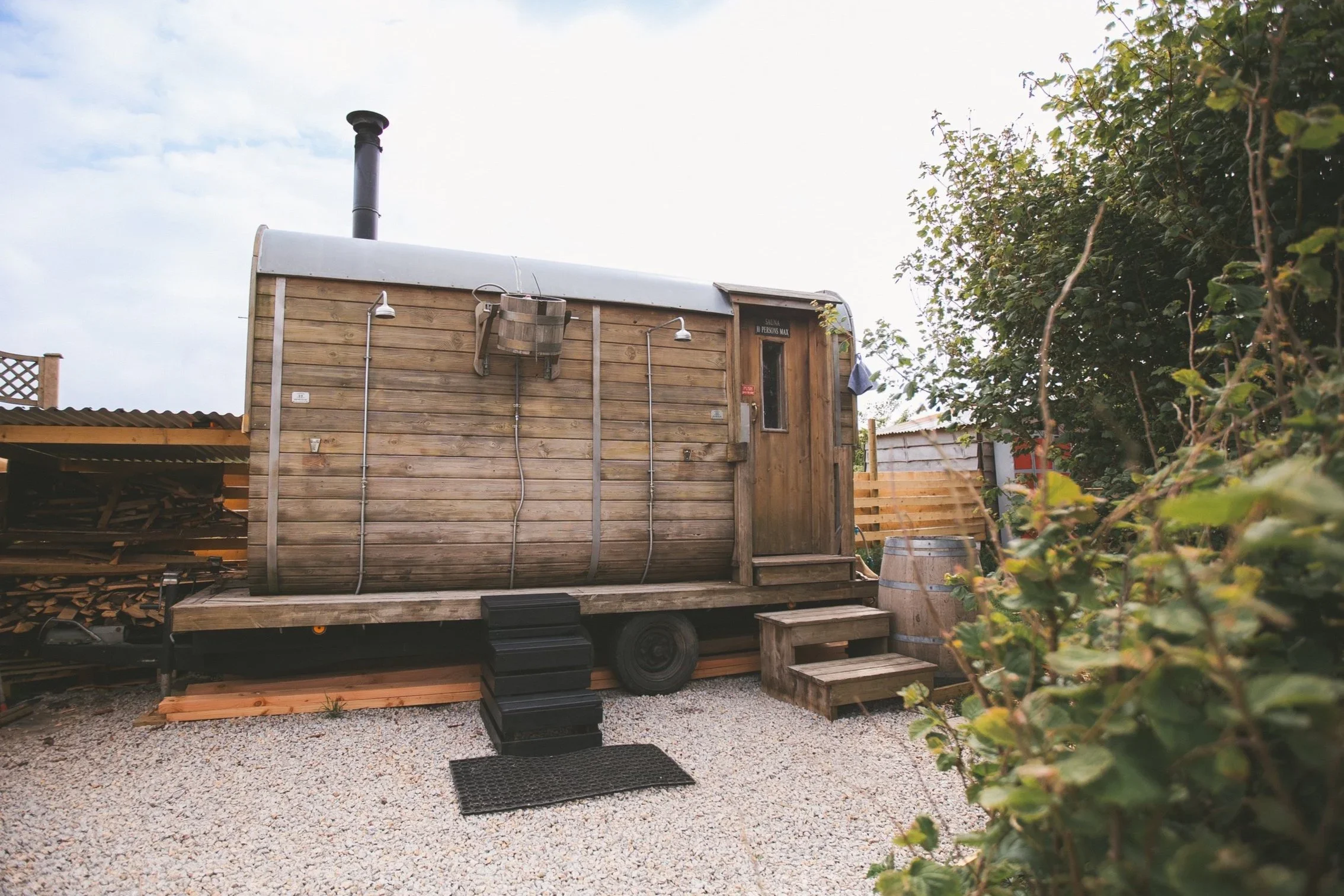
Clifftop saunas with sea views and plunge-dip options. Ideal for an adventurous twist on contrast therapy.
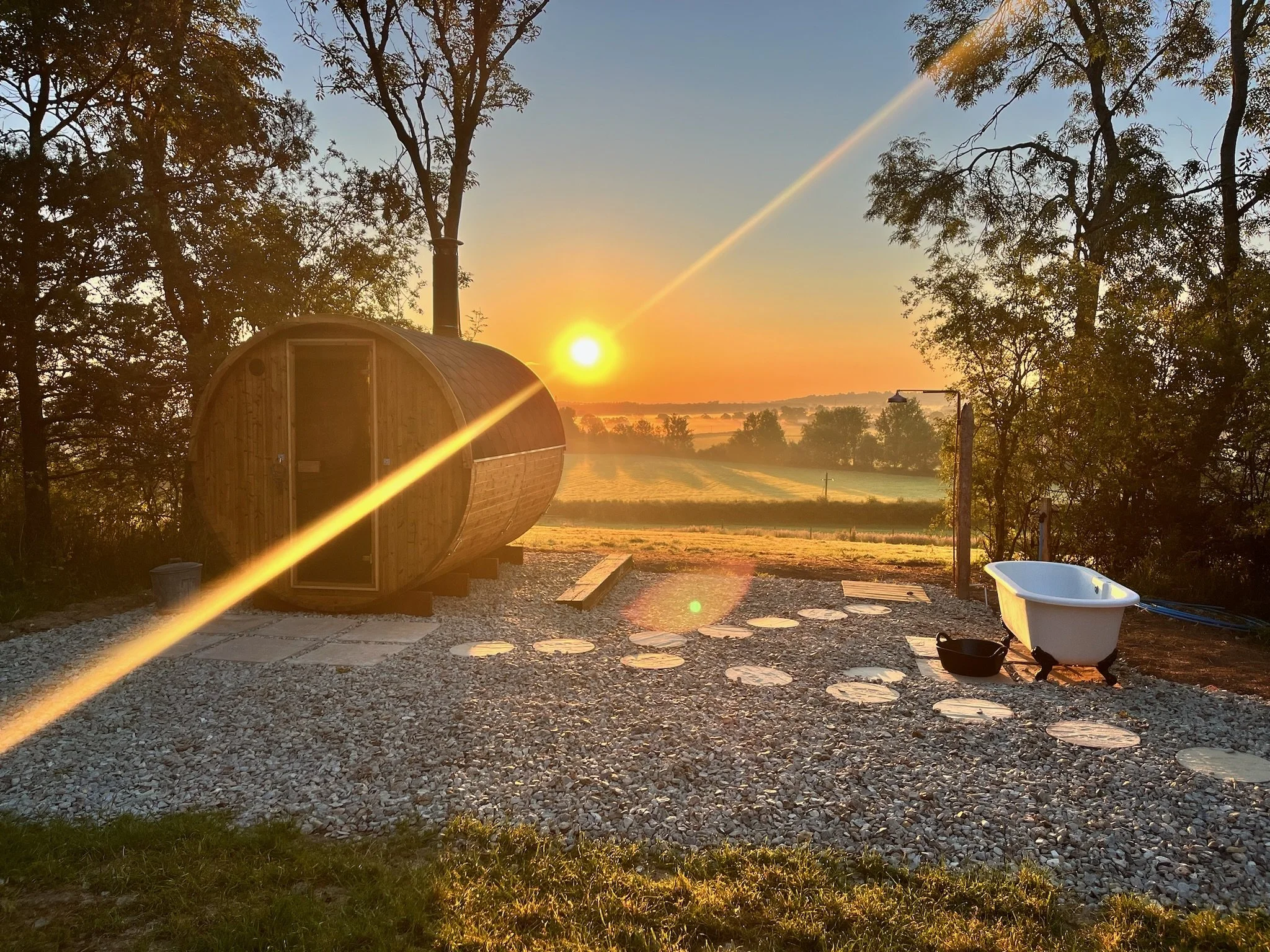
5
Countryside wood-fired sauna with a modest cold plunge setup. Quiet and peaceful for a beginner.

Mobile sauna/trailer set-ups with cold plunge steel tubs. Good for local sessions if you’re not travelling far.
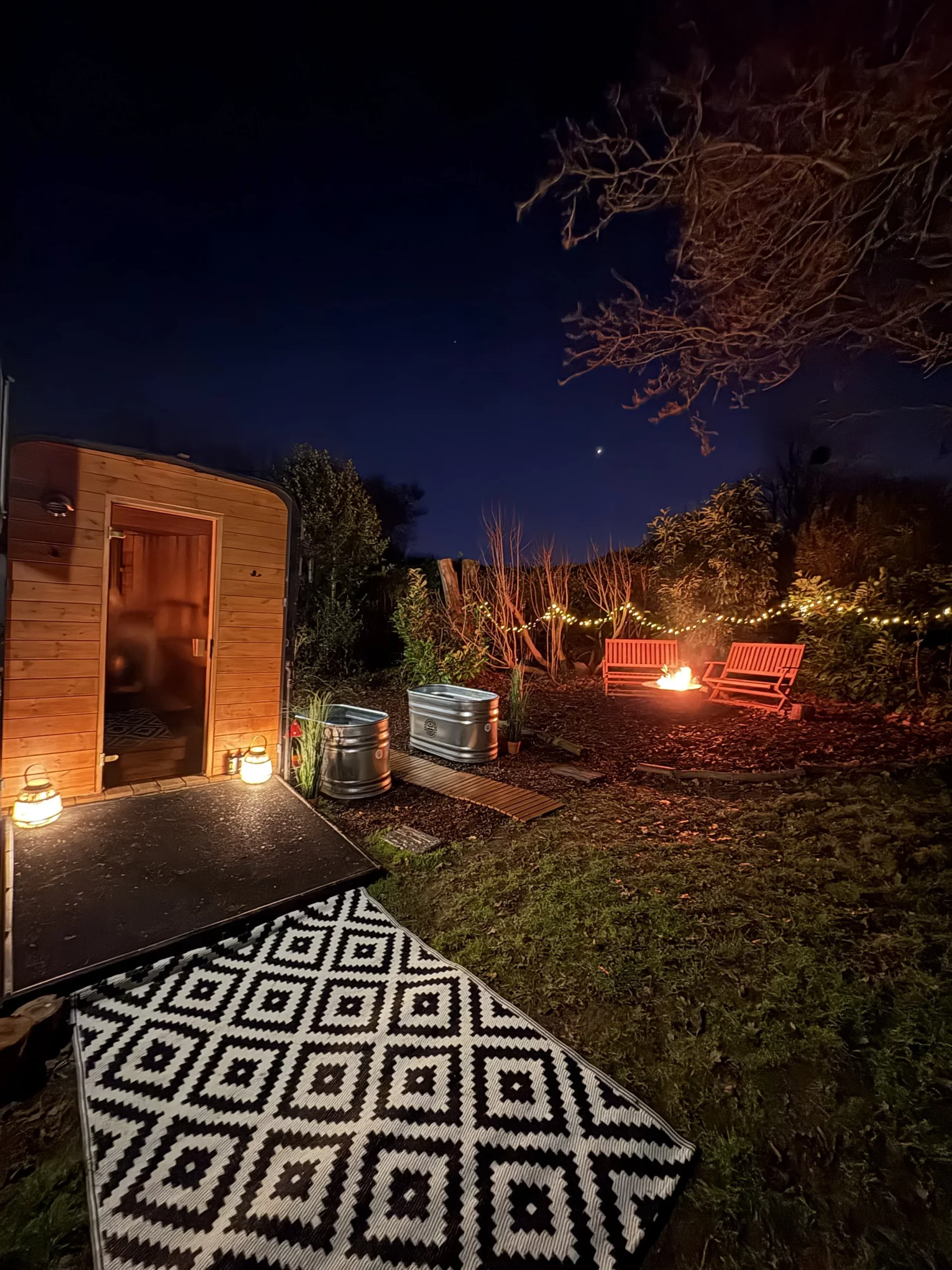
Outdoor sauna plus ice-bath style features. Mixed terrain and a good intro to more nature-based setups.
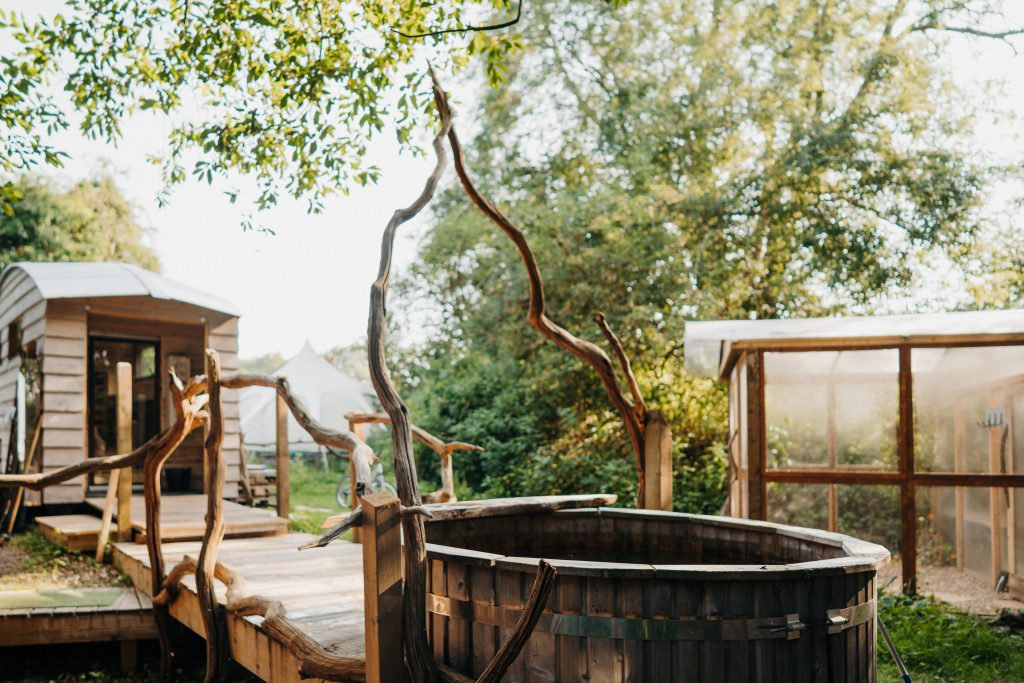
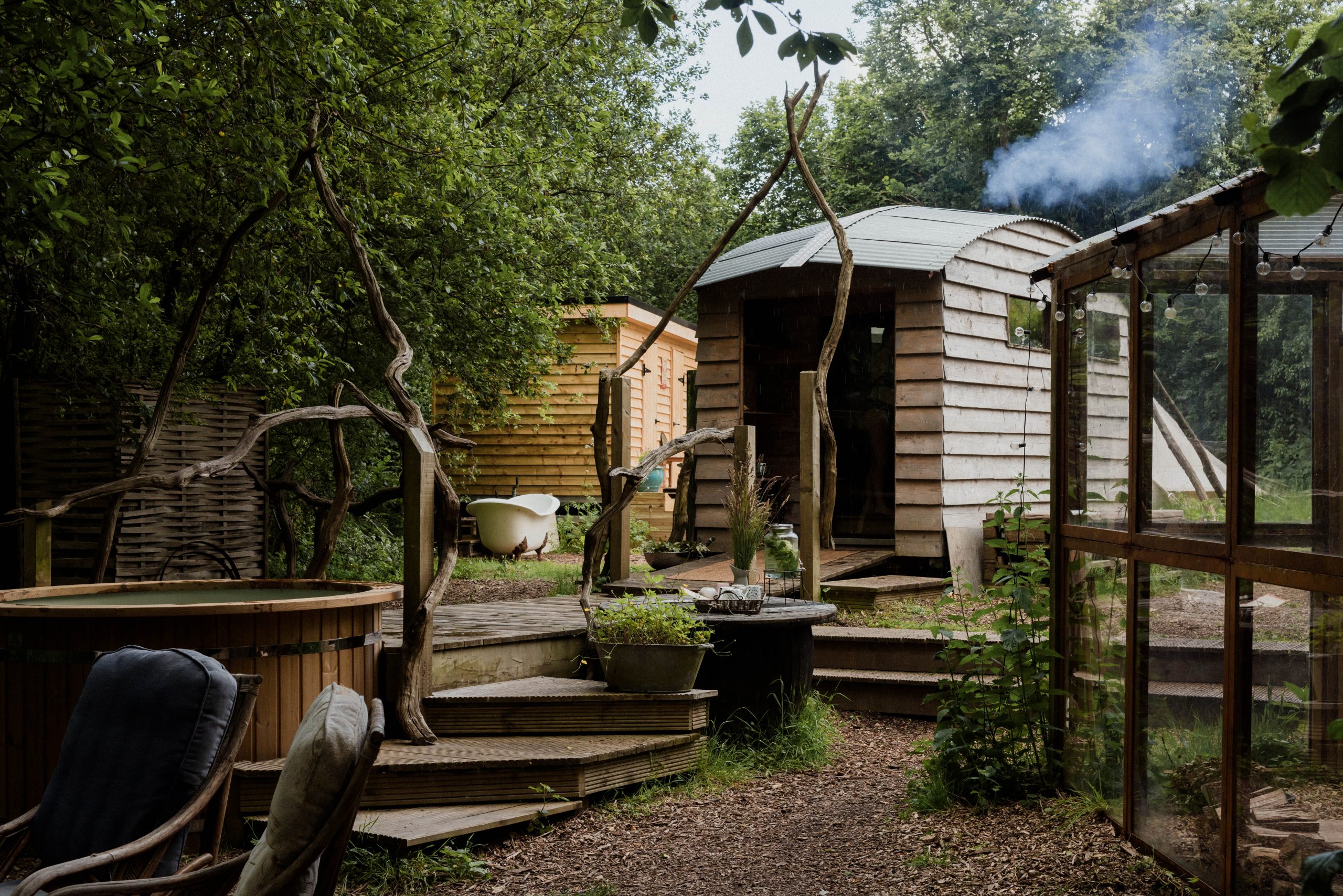

A forest spa setting with sauna and natural plunge pool. Offers a gentler nature angle for contrast therapy.
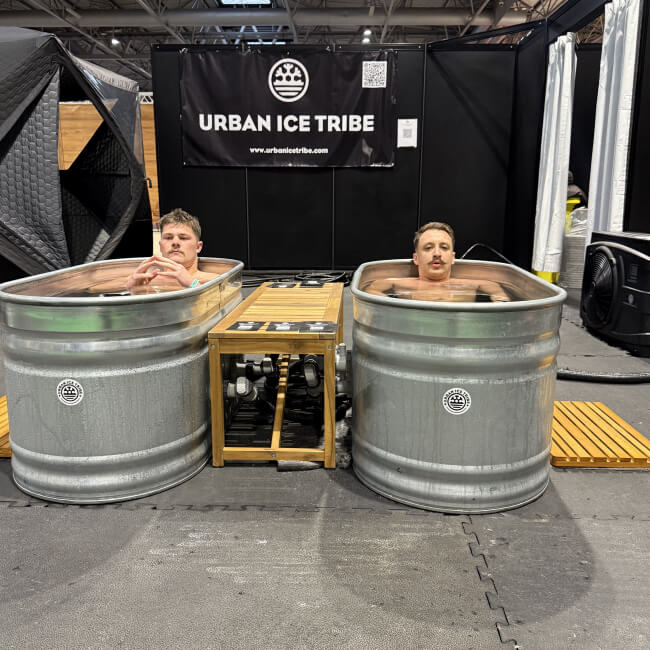
While not a fixed sauna venue, these events combine cold-plunge tubs with sauna/trailer experiences across the UK. Great if you want variety or local options.


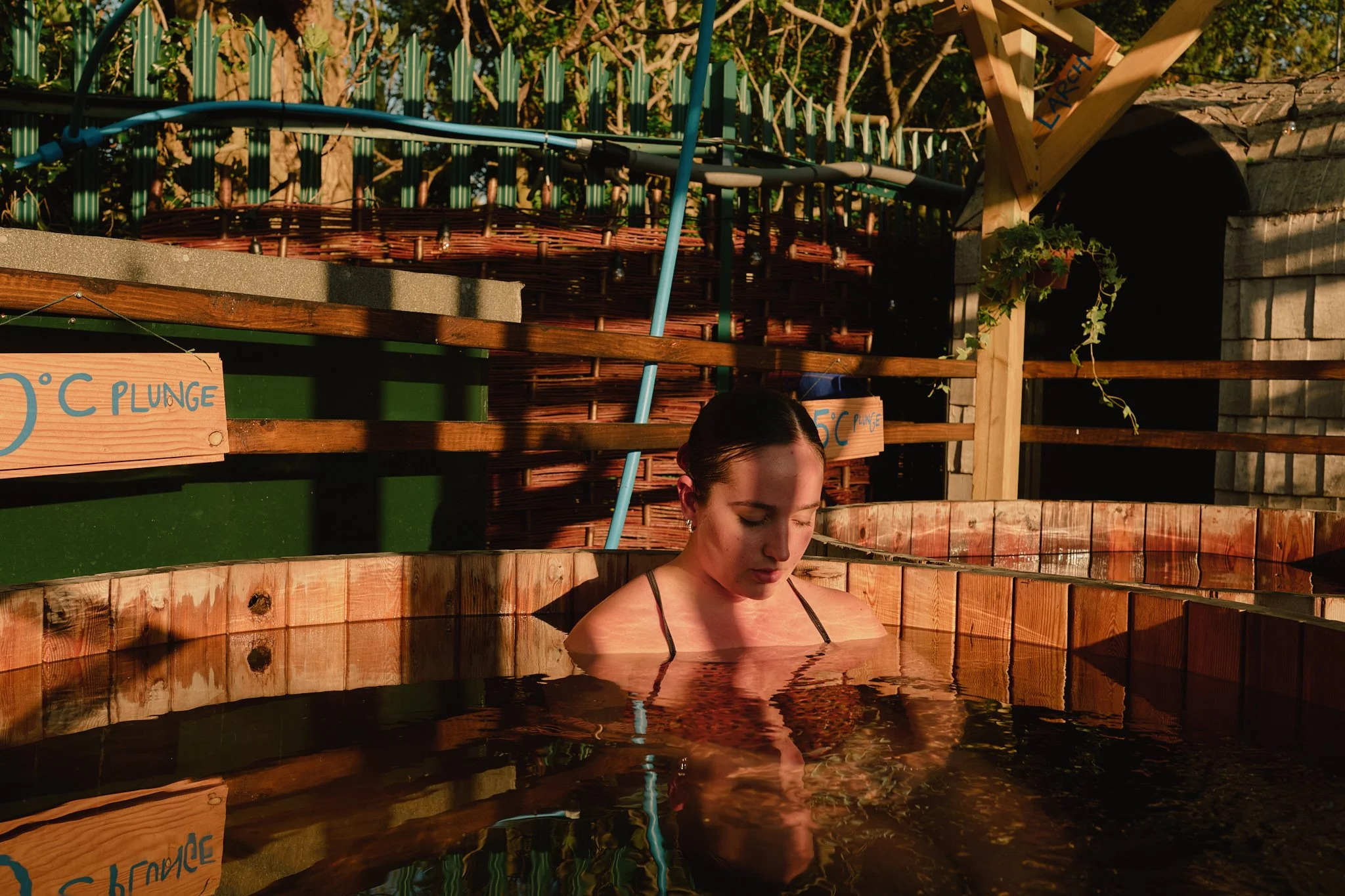
Wood-fired sauna in a retreat setting by a natural pond for cold dips. Relaxed pace, good for a mini-getaway.
Contrast therapy isn’t about suffering — it’s about adaptation.
“Shivering is good because it increases your metabolism … it’s training for all your cells in the body.”
— Dr Susanna Søberg
You don’t have to go to extremes. Start with short, manageable sessions, listen to your body, and let the temperature teach you resilience.